
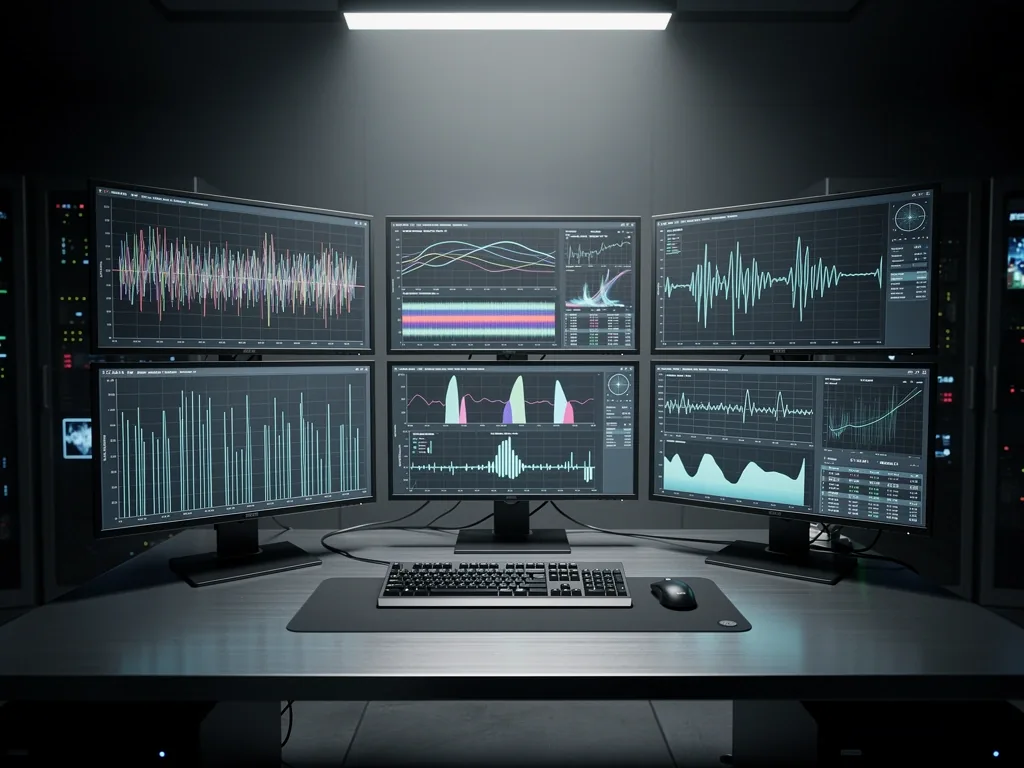
NexoraSignal Technical Command Environment
Intelligence Archive

Analytical Intelligence & Signal Research

Access high-authority technical reports on spectral density, interference patterns, and monitoring systems evolution within dense urban data environments.

Published Technical Insights

Our research methodology prioritizes signal integrity over high-frequency alerts, providing the empirical baseline for complex industrial network auditing.

Latest Update: June 2026
Verified Hanoi Infrastructure
Whitepaper / Infrastructure

Urban Signal Decay: Analysis of Interference Patterns in High-Density Districts

An empirical study on how localized spectral density fluctuations in aging industrial zones like Hanoi impact monitoring systems accuracy. Includes data on thermal throttling vs. signal congestion.

Read Abstract PDF [4.2MB] | Updated 2026.05
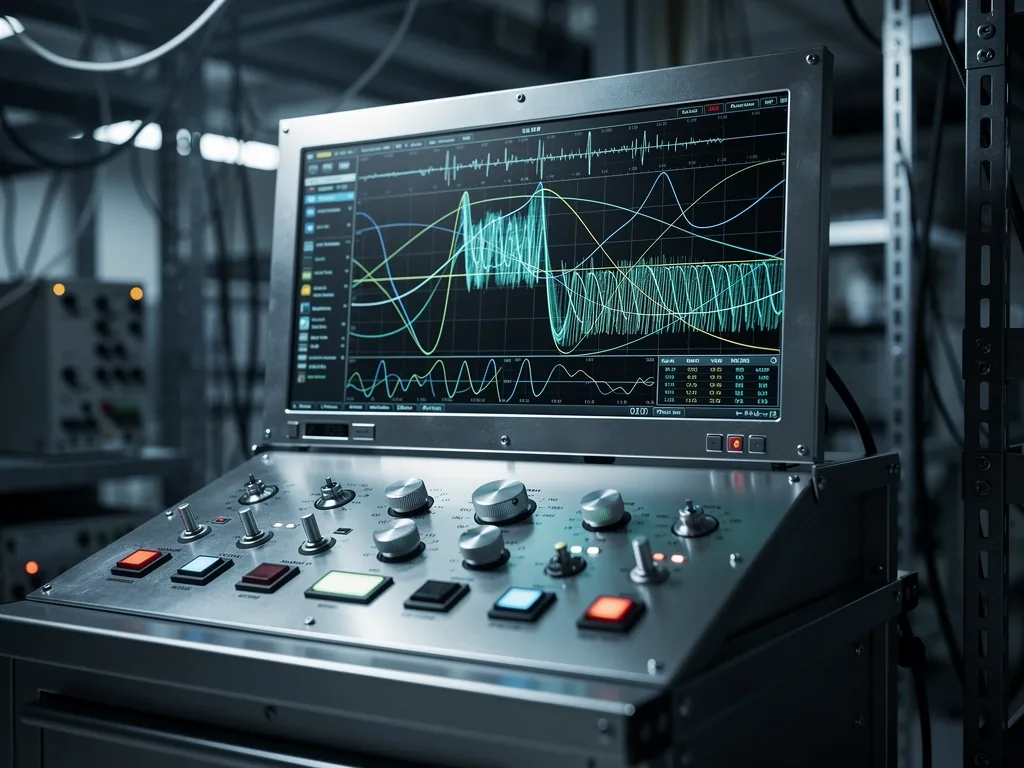
Technical Briefing

Spectral Density Benchmarks

Establishing a signal-to-noise ratio baseline for multi-tenant data center environments.

Access Telemetry Data
Case Study #812

Predictive Maintenance Drift

Long-term tracking of harmonic disruptions in sensitive monitoring systems across six-month windows.

Engineering Note

Packet Ingress Calibration

Methods for adjusting buffer sizes to match specific bit-rates during peak load synchronization.

Request Paper
Compliance

Ethics of Signal Intelligence

Maintaining data fragmentation standards and operational security in hybrid network deployments.

Review Standard
48ms Typical Ingress Latency
99.2% Noise Reduction Ratio
12.4GHz Peak Spectral Range
<0.01% False Alert Factor
Hardware-level signal monitoring integrity
Advanced Methodology

Beyond Reactive
Monitoring Alerts.

Signal intelligence is defined by the ability to ignore transient noise while capturing micro-anomalies that precede systemic failure. Our analysts look at the drift in signal-to-noise ratios over extended windows to identify structural vulnerabilities.

Physical layer susceptibility audits.

Packet reconstruction for peak load periods.

Harmonic disruption identification.

Signal Verification Triage

Critical decision criteria for selecting monitoring architectures based on network topology.

Metric Vector Real-Time Filtering Deep Batch Analysis
Analytical Latency < 10ms (Trigger Focused) 60min+ (Trend Focused)
Spectral Integrity Primary Peaks Only Full Harmonic Range
Resource Overhead Minimal Edge Processing High Compute Requirement
Strategic Use Immediate Infrastructure Defense Long-term Capacity Planning

Methodology Note: Signals are cross-referenced with environmental sensors and historical baselines using our proprietary Triple-Check Verification protocol before any alert is escalated.

Request Consultation